

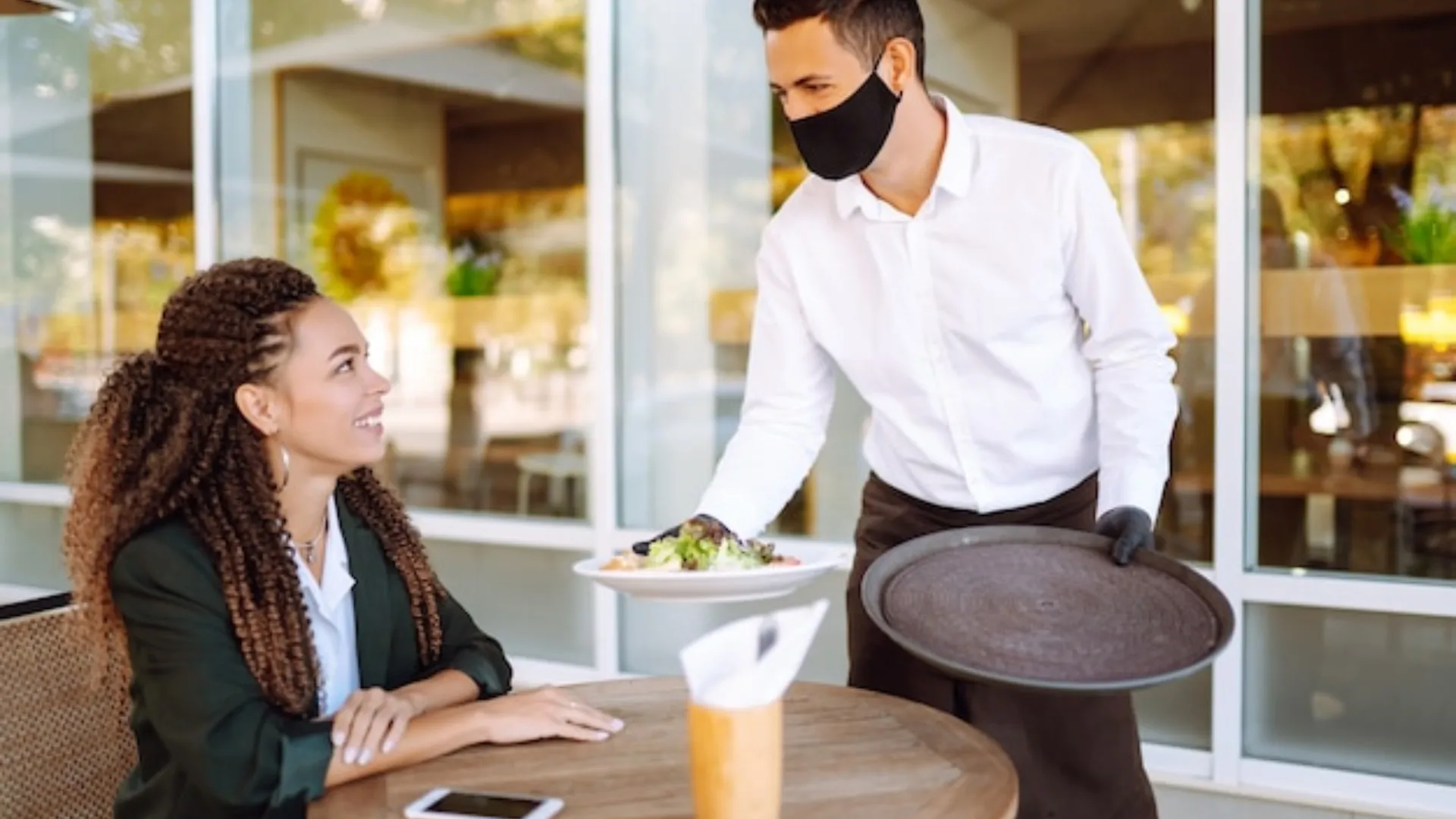
Discover practical ways to order food when you don’t speak the local language, including learning basic phrases, using translation apps, reading menus, checking ingredients, and communicating dietary needs.
How to Order Food When You Don’t Speak the Local Language
Trying local cuisine is one of the highlights of international travel, but ordering food can sometimes feel challenging when you don’t speak the local language.
Fortunately, you don’t need to be fluent to enjoy a meal abroad. With a few simple strategies, you can communicate your order, understand menus, and explain important dietary requirements.
These tips can make ordering food abroad much easier and more comfortable.
1. Learn a Few Basic Food Phrases
Before your trip, learn simple phrases such as “hello,” “please,” “thank you,” “menu,” “water,” and “bill.”
You can also learn how to say “I would like” or “How much does this cost?”
Even a small vocabulary can make restaurant interactions easier.
2. Save Important Phrases on Your Phone
Create an offline note containing useful food-related phrases.
Include phrases for ordering meals, asking about ingredients, requesting the bill, and explaining allergies or dietary restrictions.
Having them available without an internet connection can be extremely useful.
3. Use a Translation App
Translation apps can help when communication becomes difficult.
Type your request into the app and show the translated message to restaurant staff.
Download the relevant language for offline use when the app supports that feature.
4. Use the Menu Strategically
If the menu has photographs, use them to identify dishes.
When photographs aren’t available, look for familiar ingredients or use a translation tool to understand important words.
Don’t hesitate to ask staff to explain an unfamiliar dish when possible.
5. Point to the Menu
Sometimes the simplest solution works best.
If you’re unsure how to pronounce a dish, politely point to the item you want and confirm the quantity.
A smile and a simple “please” can make the interaction clear and friendly.
6. Use Pictures Carefully
Pictures can be helpful, particularly in markets or street-food settings.
You can show a photo of a dish you want to try, but remember that similar-looking dishes may contain different ingredients.
For allergies or dietary restrictions, use clear written explanations rather than relying only on pictures.
7. Learn Numbers
Numbers are especially useful when ordering food.
Learn the local words for one, two, three, and other quantities you may need.
This can help you order multiple dishes or understand prices more easily.
8. Explain Dietary Restrictions Clearly
If you have a food allergy or dietary restriction, don’t rely on gestures alone.
Learn the relevant phrase in the local language or prepare a translated message explaining exactly what you need to avoid.
Ask about ingredients and preparation methods when necessary.
9. Confirm Your Order
After placing your order, briefly check that the important details are correct.
This is particularly useful when ordering multiple dishes or when there are ingredients you must avoid.
A translation app can help you confirm the details.
10. Watch How Locals Order
If you’re unfamiliar with the restaurant system, observe what other customers are doing.
Some places require customers to order at a counter, while others have table service. Payment may happen before or after the meal.
Watching first can prevent confusion.
11. Don’t Be Afraid to Ask for Help
Restaurant staff are often accustomed to serving international visitors.
If communication becomes difficult, use simple words, gestures, menus, translation tools, or written messages.
Stay patient and avoid becoming frustrated if the conversation takes longer.
12. Keep the Interaction Simple
You don’t need to explain everything in complicated sentences.
Short phrases and clear requests are often easier to understand.
For example, identify the dish, quantity, and any important dietary requirement.
13. Carry Some Backup Options
If you’re traveling somewhere with a significant language barrier, save pictures or names of a few foods you know you can eat.
This can be particularly useful when arriving late, dealing with limited restaurant options, or experiencing communication difficulties.
14. Be Patient and Respectful
Language barriers can be challenging for both travelers and restaurant staff.
Speak slowly, listen carefully, and avoid assuming that someone should speak your language.
A friendly attitude can make the experience much easier for everyone.
Enjoy Local Food With Confidence
Ordering food abroad doesn’t require fluency in the local language.
Learn a few basic phrases, use translation tools, read menus carefully, point to dishes when necessary, and prepare clear explanations for allergies or dietary restrictions.
Most importantly, stay patient and flexible.
A language barrier can actually become part of the travel experience. Learning how to communicate through simple phrases, gestures, menus, and technology can make trying local food more rewarding—and may give you confidence to explore even more of the destination’s cuisine.