

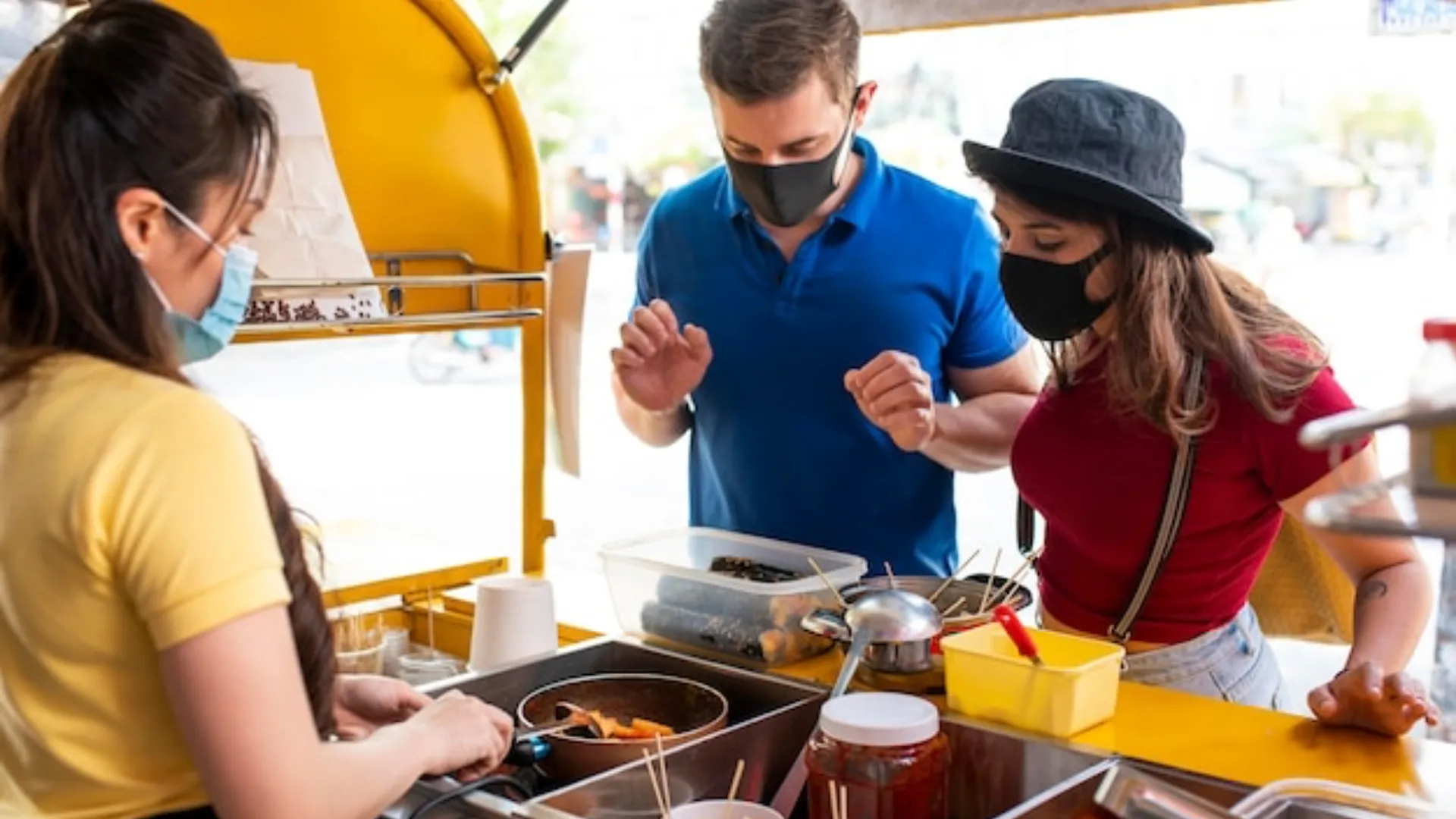
Learn practical street food safety tips for international travelers, including how to choose reputable vendors, assess food handling, check cooking temperatures, manage water and ingredients, and reduce common food-related risks.
Street Food Safety Tips for International Travelers
Street food can be one of the most enjoyable parts of international travel. Local stalls and markets often offer traditional dishes, regional ingredients, and affordable meals that provide a genuine taste of a destination.
However, food and water safety standards can vary between countries. Following a few basic street food safety practices can help you enjoy local cuisine while reducing avoidable risks.
1. Choose Busy Vendors
A busy food stall can be a useful sign that food is being prepared and sold regularly.
High customer turnover may mean ingredients aren’t sitting unused for long periods. However, popularity alone doesn’t guarantee safety, so look at the overall cleanliness and food-handling practices too.
2. Observe Food Preparation
Take a moment to watch how food is prepared before ordering.
Look for clean preparation areas, proper handling of ingredients, and separation between raw and cooked foods.
Avoid vendors where food appears to be handled carelessly.
3. Choose Freshly Cooked Food
Food that is cooked thoroughly and served hot can generally be preferable to dishes that have been sitting at room temperature for long periods.
When possible, choose items prepared to order and served soon after cooking.
4. Pay Attention to Cleanliness
Look at the stall, utensils, cooking surfaces, and surrounding area.
A clean preparation environment is an important factor when deciding where to eat.
If conditions appear unhygienic, choose another vendor.
5. Be Careful With Raw Ingredients
Raw vegetables, salads, sauces, and garnishes can present additional considerations depending on local water and food-handling conditions.
If you’re unsure about how ingredients were washed or stored, choose cooked foods instead.
6. Understand Local Water Safety
Water quality differs between destinations.
Before consuming tap water, check reliable local guidance about whether it is considered safe for visitors.
If bottled water is recommended, make sure the bottle is properly sealed before opening it.
7. Be Careful With Ice
Ice may be made from tap water, so consider local water-safety guidance before consuming drinks with ice.
If you’re uncertain, ask how the ice was made or choose a beverage without ice.
8. Wash Your Hands
Clean hands are an important part of food safety.
Wash your hands with soap and water before eating whenever possible. If that isn’t available, carry an appropriate hand sanitizer for situations where it can be used safely.
9. Start With Small Portions
If you’re trying unfamiliar foods, consider beginning with a small portion.
This gives you a chance to see how your body responds to new ingredients, spices, oils, or preparation methods.
10. Be Careful With Seafood
Seafood can be delicious but may require additional care in warm climates.
Choose vendors with good refrigeration and food-handling practices, and consider freshly cooked seafood over raw or improperly chilled options when you’re uncertain.
11. Consider Your Dietary Needs
If you have food allergies, intolerances, or other dietary requirements, research local ingredients before your trip.
Learn important food-related phrases in the local language and communicate your needs clearly.
A translation app can also help when explaining ingredients.
12. Don’t Ignore Food Storage
Pay attention to how ingredients are stored.
Foods that require refrigeration should generally be kept appropriately chilled. Be cautious if perishable foods appear to have been sitting out for extended periods in warm conditions.
13. Carry Basic Travel Essentials
Depending on your destination and personal needs, consider packing items such as hand sanitizer, tissues, and any personally necessary medications.
Keep these items accessible rather than buried in your main luggage.
14. Know When to Stop
If food looks or smells unusual, don’t feel obligated to eat it.
It’s better to choose another meal than to take an unnecessary risk.
If you become unwell during or after your trip, seek appropriate medical advice, particularly if symptoms are severe, persistent, or concerning.
Enjoy Street Food Responsibly
Good street food safety starts with observation and preparation.
Choose reputable vendors, pay attention to cleanliness, prefer freshly cooked foods, understand local water conditions, and be cautious with raw or poorly stored ingredients.
You don’t need to avoid street food to travel safely. In fact, with sensible precautions, local food stalls can be one of the most memorable parts of an international trip.
The key is to stay informed, trust your observations, respect your dietary needs, and make thoughtful choices wherever you eat.