

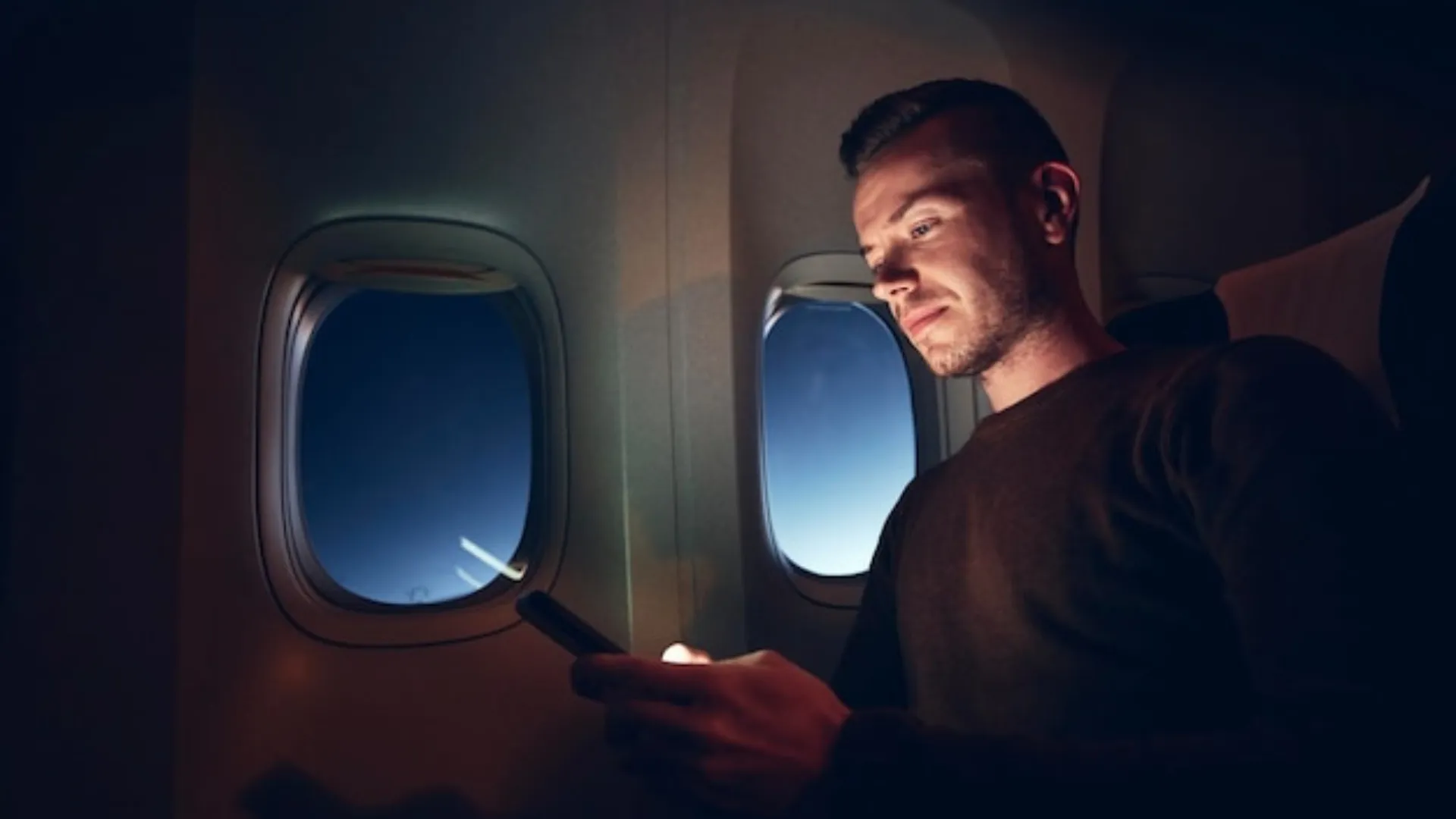
Discover practical overnight flight tips to help you sleep better, stay comfortable, manage meals and hydration, reduce jet lag, and arrive at your destination feeling more prepared.
Essential Tips for Surviving an Overnight Flight
Overnight flights can save valuable daytime travel hours, but spending an entire night on an airplane can also be challenging. Limited space, cabin noise, unfamiliar surroundings, and changes in time zones can make sleeping difficult.
With a little preparation, however, you can make an overnight flight much more comfortable and arrive at your destination ready to begin your trip.
1. Choose Your Seat Carefully
Your seat can affect how easily you sleep.
A window seat may allow you to lean against the aircraft wall without being disturbed by other passengers. An aisle seat provides easier access if you need to get up regularly.
Consider your personal sleeping habits when selecting your seat.
2. Dress Comfortably
Wear loose, comfortable clothing suitable for a long period of sitting.
Airplane cabins can feel cool, so consider bringing an extra layer such as a sweater or lightweight jacket.
Comfortable footwear can also make it easier to move around during the flight.
3. Bring a Travel Pillow
A supportive travel pillow can help reduce neck discomfort when trying to sleep.
Choose one that is easy to carry and provides the type of support you prefer.
4. Use an Eye Mask
Cabin lighting, screens, and nearby passengers can make it difficult to create a dark environment.
An eye mask can help block unwanted light and support your normal sleep routine.
5. Consider Noise-Canceling Headphones
Airplane engines, conversations, announcements, and other cabin sounds can interrupt your rest.
Noise-canceling headphones or comfortable earplugs can help create a quieter environment.
6. Adjust Your Sleep Schedule
If you’re traveling across several time zones, gradually adjusting your sleep schedule before departure may help make the transition easier.
Consider the local time at your destination when deciding whether to sleep during the flight.
7. Stay Hydrated
Airplane cabins can feel dry, so remember to drink water regularly.
Avoid excessive alcohol and consider limiting caffeine if you plan to sleep.
8. Don’t Overeat Before Sleeping
A very heavy meal immediately before trying to sleep may leave you uncomfortable.
Choose meals and snacks that you know work well for you, and consider eating at a time that fits your intended sleep schedule.
9. Prepare Your Entertainment
Even if you plan to sleep for most of the flight, you may need entertainment during periods when you’re awake.
Download movies, podcasts, books, music, or other content before boarding if possible.
This is especially useful if the flight’s entertainment system has limited options.
10. Keep Essentials Within Reach
Place important items such as your phone, water bottle, headphones, eye mask, travel pillow, and medication where you can easily access them.
You don’t want to repeatedly open the overhead compartment during the night.
11. Move Around Occasionally
Sitting in one position for many hours can become uncomfortable.
When appropriate and permitted, stand up, stretch, and walk around the cabin occasionally. Simple movement can help you feel less stiff after a long flight.
12. Prepare for Arrival
Think about what you need immediately after landing.
Keep your passport, accommodation details, transportation information, and essential toiletries easily accessible.
If you are arriving in the morning, prepare clothing and other items that will help you transition into the local schedule.
13. Manage Jet Lag
Crossing time zones can affect your sleep and energy levels.
Once you arrive, try to follow the local schedule rather than immediately returning to your home time zone. Natural daylight, appropriate activity, and a consistent sleep routine can help your body adjust.
14. Don’t Pressure Yourself to Sleep
Not everyone can sleep comfortably on an airplane.
If you cannot fall asleep, stay relaxed and use quiet entertainment rather than becoming frustrated. Even resting with your eyes closed can be more relaxing than constantly checking the time.
Make Your Overnight Flight Easier
A successful overnight flight is largely about preparation. Choose a suitable seat, dress comfortably, bring sleep accessories, stay hydrated, prepare entertainment, and think about the time zone at your destination.
You may not sleep perfectly, and that’s okay. The goal is to make the flight as comfortable and restful as possible.
With the right approach, overnight travel can help you save time and arrive at your destination ready to start your adventure.