

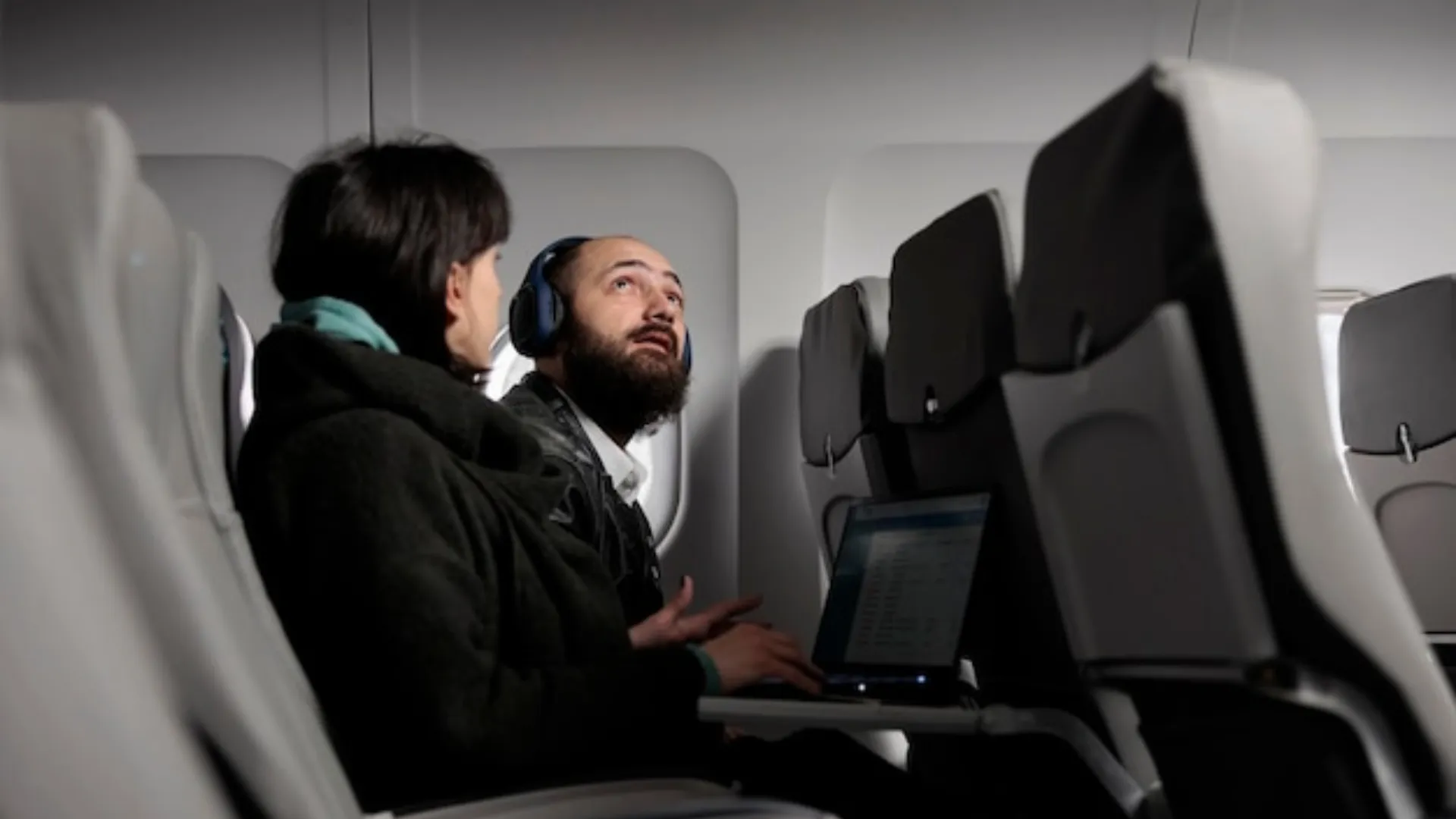
Learn how to choose the best seat on a long-haul flight by comparing window and aisle seats, legroom, cabin location, exit rows, noise levels, and other factors that affect comfort.
How to Choose the Best Seat on a Long-Haul Flight
A long-haul flight can last many hours, making your choice of seat more important than it might be on a short journey. The right seat can make it easier to sleep, work, stretch, access the restroom, or simply relax during the flight.
There is no single best seat for everyone. The ideal long-haul flight seat depends on your personal preferences, travel companions, and the aircraft layout.
1. Decide Between a Window and Aisle Seat
The first decision is usually whether you prefer a window or aisle seat.
A window seat provides a view, a wall to lean against, and fewer interruptions from passengers moving through the aisle.
An aisle seat offers easier access to the restroom, overhead storage, and the ability to stand up without asking other passengers to move.
2. Consider Extra Legroom
Legroom can make a significant difference during a long flight.
Exit-row seats and certain bulkhead seats may offer additional space, although availability and restrictions vary by airline and aircraft.
Check the specific aircraft seat map before paying extra for a particular seat.
3. Think About Your Sleeping Position
If you plan to sleep, a window seat may be more comfortable because you can lean against the side of the aircraft without being disturbed by passengers passing through the aisle.
However, an aisle seat may be better if you frequently need to stand or move around.
4. Check the Aircraft Layout
Seat quality can vary considerably even within the same aircraft model.
Before selecting a seat, review the airline’s seat map and, when possible, check whether the seat has unusual features such as limited recline, reduced legroom, proximity to facilities, or restricted storage.
5. Consider the Front of the Cabin
Seats toward the front of an economy cabin may offer advantages such as quicker access to the exit after landing and, depending on the aircraft, earlier meal service.
However, these seats can sometimes be closer to galleys or other busy areas.
6. Consider Seats Near the Restrooms
Seats close to restrooms may be convenient, but they can also experience more passenger movement, conversation, and light.
If you prefer a quieter environment, consider choosing a seat farther away from high-traffic areas.
7. Think About the Galley
The galley can be a busy area during meal preparation and service.
Passengers who want a quieter flight may prefer seats away from the galley, while travelers who prioritize convenience may not mind being nearby.
8. Middle Seats Require Extra Consideration
Middle seats are generally less popular because you don’t have direct window access and may have less personal space than a window or aisle seat.
If you’re traveling with two companions, however, a middle seat may be unavoidable depending on the aircraft configuration.
9. Traveling With Children
Families may want to prioritize seats that allow them to sit together.
Bulkhead areas may sometimes offer useful space for families, but policies regarding bassinets, child seating, and seat assignments vary by airline.
Check the airline’s current family seating rules before selecting seats.
10. Don’t Assume the Exit Row Is Always Best
Exit-row seats can offer additional legroom, but they may have restrictions regarding who can sit there.
They may also be located near areas with increased passenger movement. Check the seat characteristics before paying extra.
11. Consider Your Sleeping Schedule
If you’re flying overnight, choose a seat that supports your sleeping habits.
A window seat may be useful for uninterrupted rest, while an aisle seat may be better if you expect to get up frequently.
12. Choose Based on Your Priorities
Think about what matters most to you: legroom, sleep, window views, easy restroom access, quiet surroundings, or quick exit after landing.
Your priorities should determine your seat rather than simply choosing a seat based on its location on the aircraft.
Make Your Long Flight More Comfortable
Choosing the right long-haul flight seat can significantly improve your travel experience.
Consider the window or aisle preference, legroom, aircraft layout, proximity to restrooms and galleys, sleeping habits, and whether you are traveling alone or with family.
Always check the specific aircraft seat map because seating arrangements can vary between airlines and aircraft.
A little research before check-in can help you find a seat that better matches your needs and makes a long journey more comfortable.