

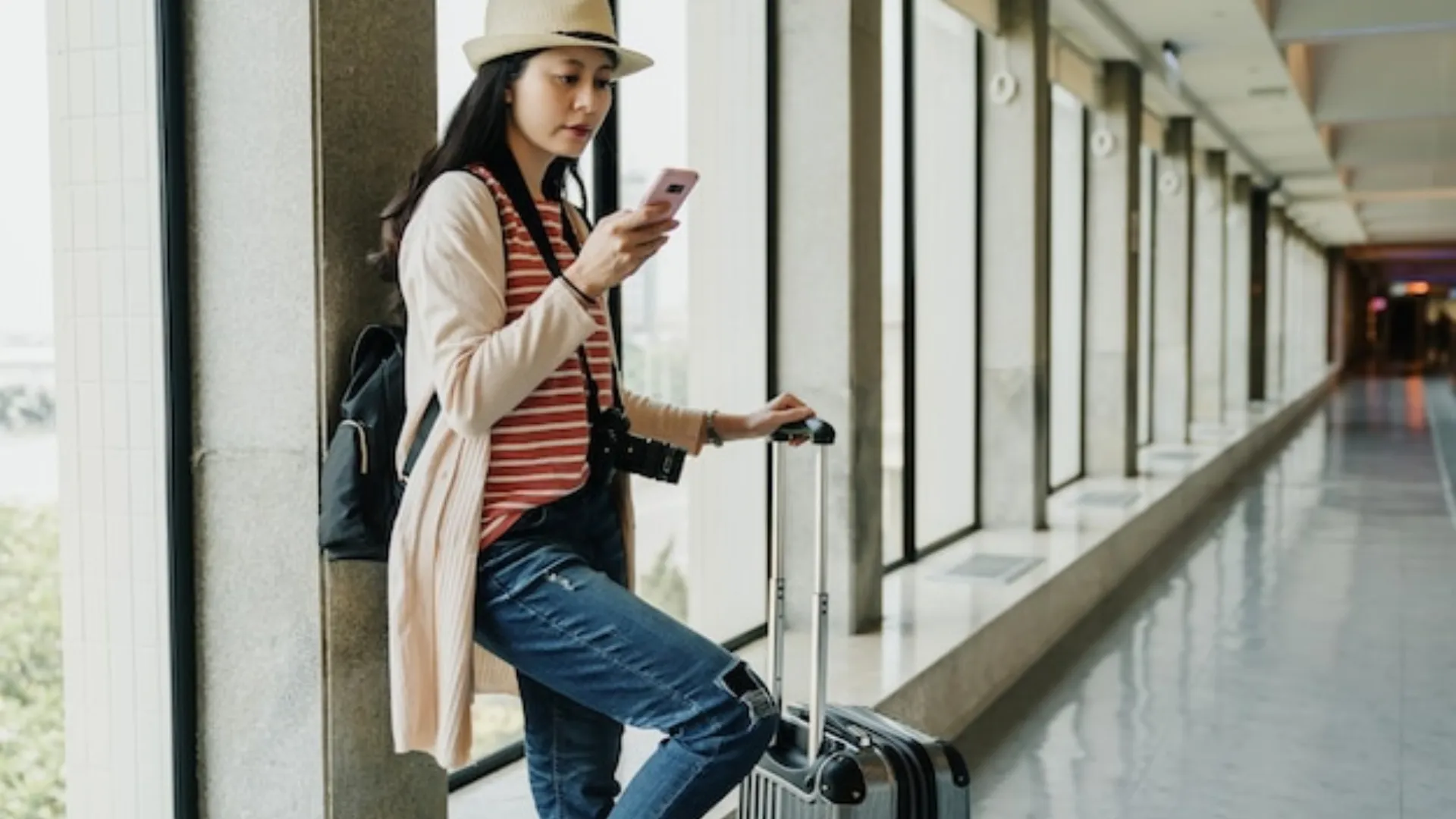
Learn practical ways to stay connected with mobile data while traveling overseas, including international roaming, local SIM cards, eSIMs, Wi-Fi, and methods for controlling data usage.
How to Stay Connected With Mobile Data While Traveling Overseas
Staying connected can make international travel much easier. Mobile data allows you to use maps, translation apps, transportation services, hotel information, messaging platforms, and other essential travel tools wherever you go.
However, using your regular mobile plan overseas without preparation can sometimes result in expensive charges. Understanding your options for mobile data abroad can help you stay connected while managing your travel budget.
1. Check Your Home Carrier’s Roaming Plans
Before leaving your country, contact your mobile provider or check its official app to see whether international roaming is available.
Some providers offer international packages with a fixed amount of data, calls, or messages. Compare the price and data allowance with other options before deciding.
2. Consider a Local SIM Card
Buying a local SIM card can be a practical option for longer trips. Local providers may offer affordable data packages designed for visitors.
Before purchasing one, check whether your phone is unlocked and compatible with the local network.
3. Consider an eSIM
An eSIM can provide mobile connectivity without requiring you to physically replace your SIM card.
If your phone supports eSIM technology, you can often purchase a suitable international or local data plan before arriving at your destination.
Check your phone’s compatibility and the provider’s coverage before purchasing.
4. Use Wi-Fi When Appropriate
Hotels, cafés, airports, restaurants, and other public locations may offer Wi-Fi.
Using trusted Wi-Fi networks can reduce mobile data consumption, especially when downloading maps, updating apps, or making large file transfers.
Avoid entering sensitive financial information on unfamiliar public networks unless you have appropriate security protections.
5. Download Important Information Offline
One of the easiest ways to reduce data usage is to prepare before leaving.
Download offline maps, travel documents, translation resources, hotel details, and other information you expect to need regularly.
This also provides a backup if your mobile connection stops working.
6. Monitor Your Data Usage
Check your phone’s mobile data settings regularly while traveling.
Identify which apps consume the most data and restrict background data for applications you don’t need constantly.
Photo and video applications can use significant amounts of data when they automatically upload content.
7. Disable Automatic Updates
Automatic app updates and cloud backups can consume mobile data without you noticing.
Consider setting your device to update apps and back up large files only when connected to trusted Wi-Fi.
8. Use Data-Saving Features
Many smartphones and applications include data-saving modes.
Enable these features when appropriate and reduce automatic video playback, high-resolution streaming, and unnecessary background activity.
9. Keep Your Phone Secure
Your phone contains valuable personal information, especially when you use it for banking, travel reservations, and communication.
Use a strong device passcode, biometric security where available, and updated operating-system software.
If you use public Wi-Fi, be especially careful when accessing sensitive accounts.
10. Carry a Backup Communication Option
If mobile connectivity is essential for your trip, don’t rely on a single method.
Keep important addresses, reservation details, emergency contacts, and travel information accessible offline. A portable charger can also help prevent your phone from becoming unusable when the battery is low.
Choose the Right Connectivity Option
The best solution for mobile data abroad depends on your destination, trip length, phone compatibility, and budget.
International roaming can be convenient, while local SIM cards may offer good value for longer stays. eSIMs can provide flexibility for compatible devices, and Wi-Fi can reduce mobile data usage.
Before traveling, compare your options rather than waiting until you arrive. Prepare offline information, monitor your data usage, and keep your phone secure.
With the right setup, staying connected overseas can be simple, affordable, and reliable throughout your journey.