

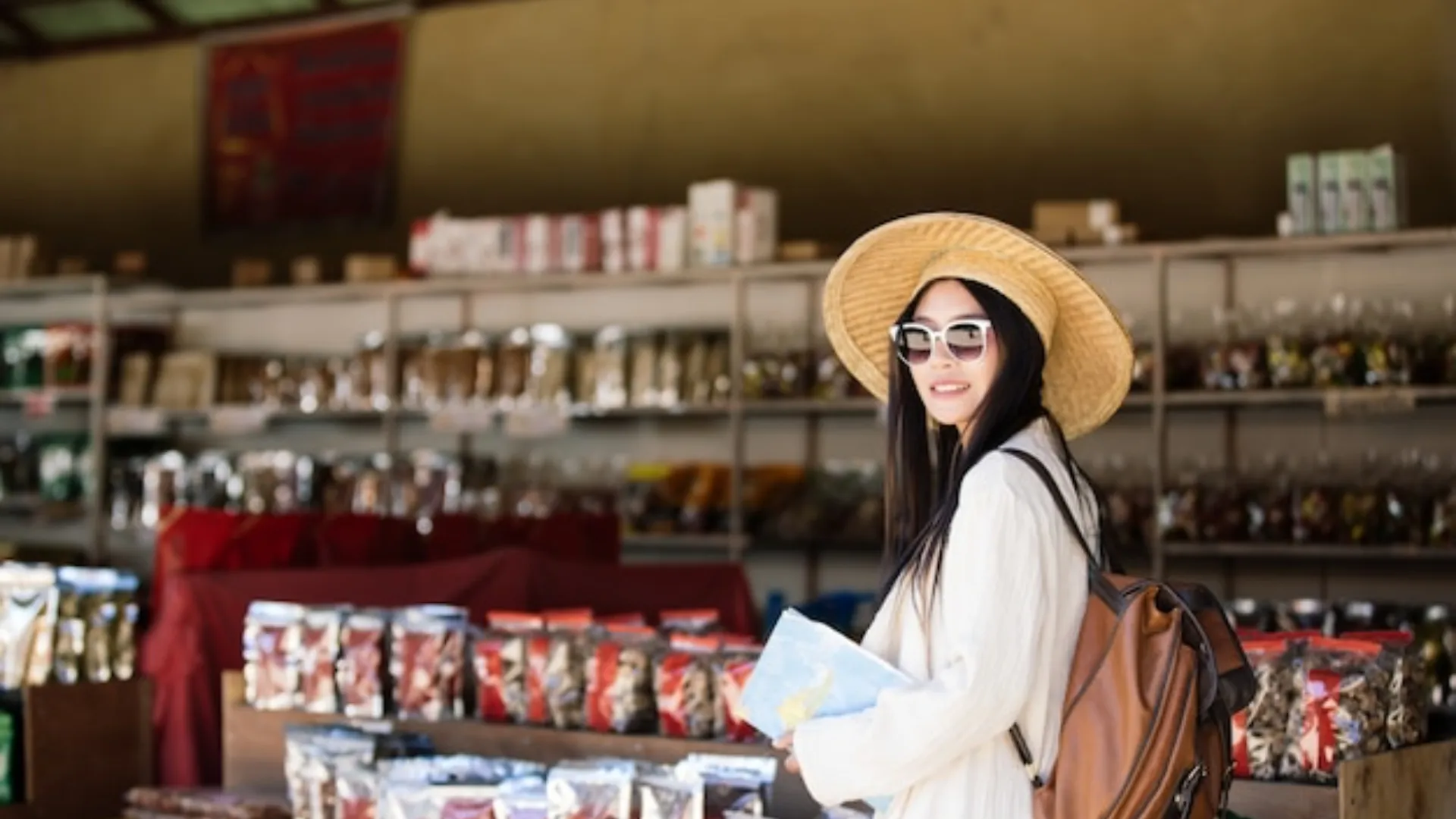
Discover practical ways to find the best local markets while traveling, including how to research markets, ask locals, explore food stalls, shop for authentic products, and experience everyday culture.
How to Find the Best Local Markets While Traveling
Local markets can be some of the most interesting places to visit during an international trip. They offer a chance to see how people shop, eat, work, and interact while discovering regional foods, handmade products, clothing, crafts, and souvenirs.
Unlike major tourist attractions, local markets can provide a closer look at everyday life. With a little research, you can find markets that make your trip more memorable.
1. Research Before Your Trip
Start by searching for markets in your destination before you arrive.
Look for food markets, farmers’ markets, craft markets, antique markets, night markets, and traditional bazaars.
Check opening days and hours because some markets operate only on specific days.
2. Ask Local Residents
Locals can often recommend markets that don’t appear prominently in international travel guides.
Ask hotel staff, local guides, restaurant employees, or shop owners which markets they personally visit.
Specific recommendations can help you discover less tourist-focused options.
3. Visit Food Markets
Food markets are excellent places to experience local flavors.
Look for fresh produce, spices, baked goods, regional ingredients, prepared meals, sweets, and other specialties.
If you plan to eat at a market, observe food preparation and choose vendors that appear to follow good hygiene practices.
4. Explore Craft Markets
Craft markets can be ideal for finding locally made souvenirs.
Look for handmade textiles, pottery, artwork, jewelry, woodwork, traditional decorations, and other regional products.
Ask sellers about the origin of an item if you’re interested in buying authentic local products.
5. Go Early When Appropriate
Some markets are most active early in the morning, particularly those selling fresh food and produce.
Arriving early can give you a better selection and allow you to experience the market before it becomes crowded.
However, night markets and evening markets naturally have different schedules.
6. Learn Basic Local Phrases
A few simple phrases can make shopping easier.
Learn words for numbers, prices, please, thank you, and common products.
This can also make interactions with vendors more enjoyable.
7. Understand Bargaining Customs
Bargaining is normal in some markets but not expected in others.
Research local customs before negotiating prices.
Where bargaining is appropriate, remain polite and remember that aggressive negotiation can create an uncomfortable interaction.
8. Carry Appropriate Payment
Some markets accept cards, while others operate primarily with cash.
Check payment options before visiting and carry a suitable amount of local currency when necessary.
Avoid carrying more cash than you reasonably need.
9. Look Beyond Souvenirs
Markets aren’t only places to buy gifts.
Spend time observing local products, food preparation, traditional clothing, household goods, and everyday shopping habits.
These details can provide valuable insight into local culture.
10. Support Local Sellers
When buying souvenirs or products, consider purchasing directly from independent local sellers and artisans.
Ask where products are made and choose locally produced items when authenticity matters to you.
11. Respect Photography Rules
Markets can be visually fascinating, but not everyone wants to be photographed.
Ask permission before taking close-up photographs of vendors or individuals.
Also respect any signs or rules restricting photography.
12. Dress and Behave Respectfully
Markets may be located in traditional or religious communities.
Dress appropriately for the destination and behave respectfully.
Remember that markets are often working spaces for local residents, not simply attractions for tourists.
13. Keep Food Safety in Mind
If you’re trying prepared food, pay attention to cleanliness, food storage, cooking practices, and local water guidance.
Choose foods that are prepared and served appropriately, especially in hot climates.
14. Give Yourself Time to Explore
Don’t rush through a market just to take photographs or buy souvenirs.
Walk around, compare products, observe local activity, and try something new.
Some of the best discoveries happen when you allow yourself to explore without a strict schedule.
Make Markets Part of Your Travel Experience
Finding the best local markets can add a completely different dimension to your trip.
Research markets before traveling, ask locals for recommendations, explore food and craft stalls, learn basic phrases, understand bargaining customs, and shop thoughtfully.
Most importantly, approach markets with curiosity and respect. They are often places where everyday local life is happening right in front of you.
Whether you’re searching for traditional food, handmade crafts, unique souvenirs, or a glimpse into local culture, a good market can become one of the most memorable stops on your journey.