

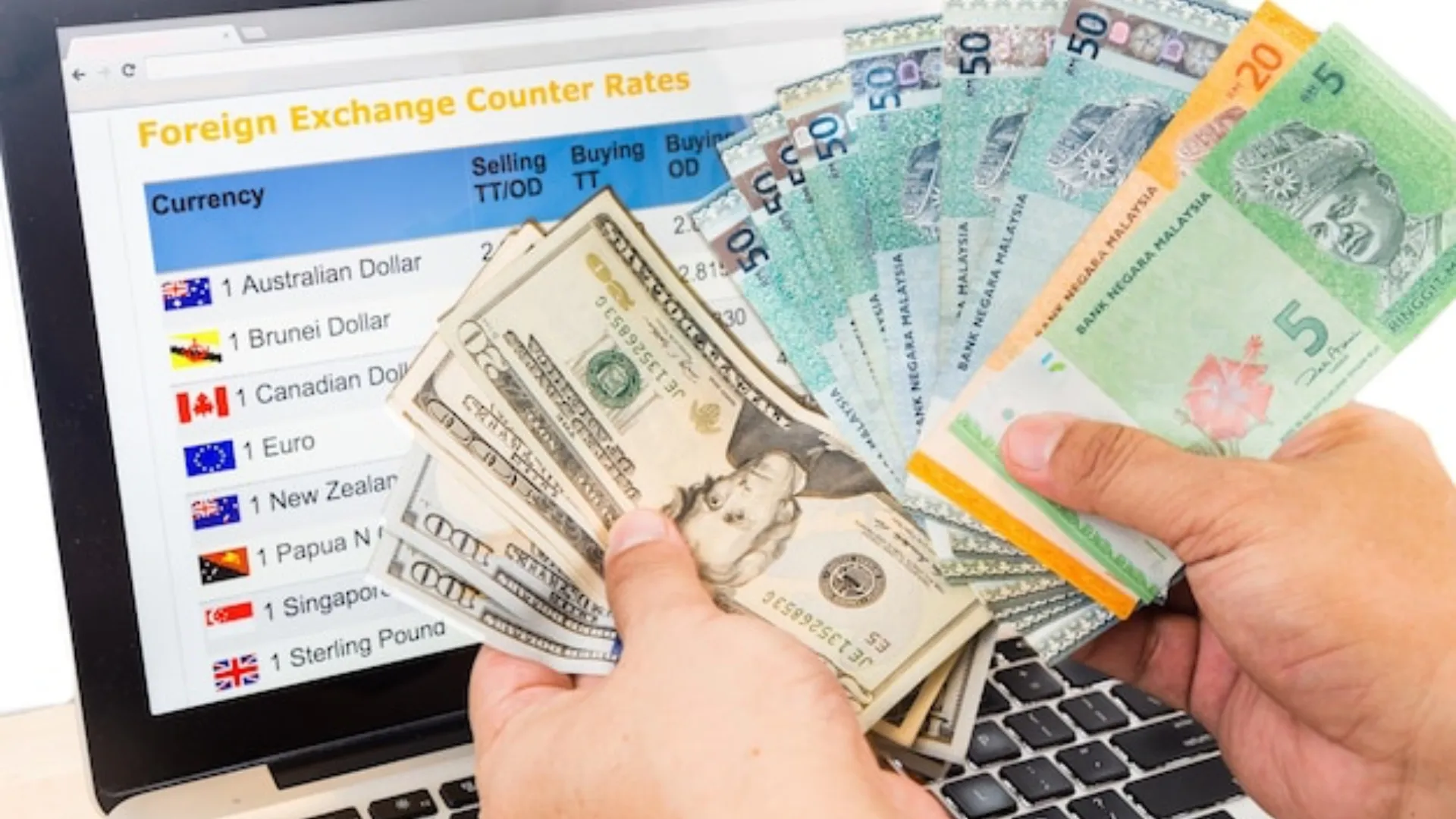
Learn practical currency exchange tips for international travelers, including how to compare rates, use ATMs wisely, avoid unnecessary fees, carry local currency, and manage money safely abroad.
Currency Exchange Tips Every International Traveler Should Know
Managing money in another country can sometimes feel confusing. Different currencies, exchange rates, ATM fees, card charges, and unfamiliar payment practices can make it difficult to know how much you’re actually spending.
Understanding a few essential currency exchange tips before your trip can help you avoid unnecessary costs and manage your travel money more confidently.
1. Research the Local Currency
Before traveling, find out which currency is officially used at your destination.
Learn the approximate exchange rate so you have a general idea of what everyday prices mean in your home currency.
You don’t need to memorize exact rates, but knowing basic conversions can make shopping and dining easier.
2. Check Exchange Rates Before Traveling
Exchange rates change regularly. Check the current rate before your trip and continue monitoring it while traveling if necessary.
Remember that the rate you see online may not be the exact rate offered by a bank, ATM, card provider, or currency exchange service.
3. Avoid Exchanging Too Much Money
It can be tempting to exchange a large amount of money before leaving home. However, your plans may change, and you could end up with more foreign currency than you need.
Exchange or withdraw reasonable amounts based on your expected expenses.
4. Be Careful at Airports
Airport currency exchange counters are convenient, especially immediately after landing, but convenience does not always mean the best rate.
If you need cash for transportation or other essential expenses, exchange or withdraw a small amount and look for better options later.
5. Use Reputable ATMs
ATMs can be a convenient way to obtain local currency.
Whenever possible, use ATMs operated by reputable banks or located in secure places. Check the fees and exchange rate shown before confirming the transaction.
6. Understand ATM Conversion Options
An ATM may ask whether you want the transaction processed in your home currency or the local currency.
Read the screen carefully and understand the conversion being offered before accepting it. An unfavorable conversion can make a seemingly simple withdrawal more expensive.
7. Check Your Bank’s Fees
Your bank or card provider may charge fees for international transactions or ATM withdrawals.
Before traveling, review your account terms and understand the potential costs. This allows you to choose the most appropriate payment method for your trip.
8. Carry Some Local Cash
Even in destinations where cards are widely accepted, cash can still be useful.
Local markets, small restaurants, transportation services, tips, and independent businesses may accept cash more readily than cards.
Carry enough for practical needs without carrying your entire travel budget.
9. Keep Cards as a Backup
Don’t rely entirely on cash.
A suitable debit or credit card can provide another way to access money if you run out of cash or encounter an unexpected expense.
Keep backup payment methods secure and separate from your everyday wallet when practical.
10. Learn to Estimate Prices Quickly
Developing a simple mental conversion method can help you understand prices without constantly checking an app.
For example, you can create a rough conversion based on the current exchange rate and use it for everyday purchases.
11. Avoid Unofficial Money Changers
Be cautious when someone offers to exchange currency privately or outside established financial services.
Unofficial exchanges can involve poor rates, hidden charges, counterfeit currency, or scams. Use reputable financial institutions and recognized exchange services.
12. Monitor Your Spending
Keep track of how much foreign currency you withdraw or exchange.
A simple note on your phone can help you monitor your spending and prevent confusion when making multiple transactions.
Manage Your Travel Money Wisely
These currency exchange tips can help international travelers avoid many common money-related problems.
Research the local currency, understand exchange rates, check bank fees, use reputable ATMs, avoid unnecessary airport exchanges, and carry a combination of cash and cards.
You don’t need to become an expert in foreign exchange before traveling. A little preparation and careful attention to fees and conversion options can help you get better value from your money.
By managing currency wisely, you can spend more confidently and focus on enjoying the destination rather than worrying about every financial transaction.

