

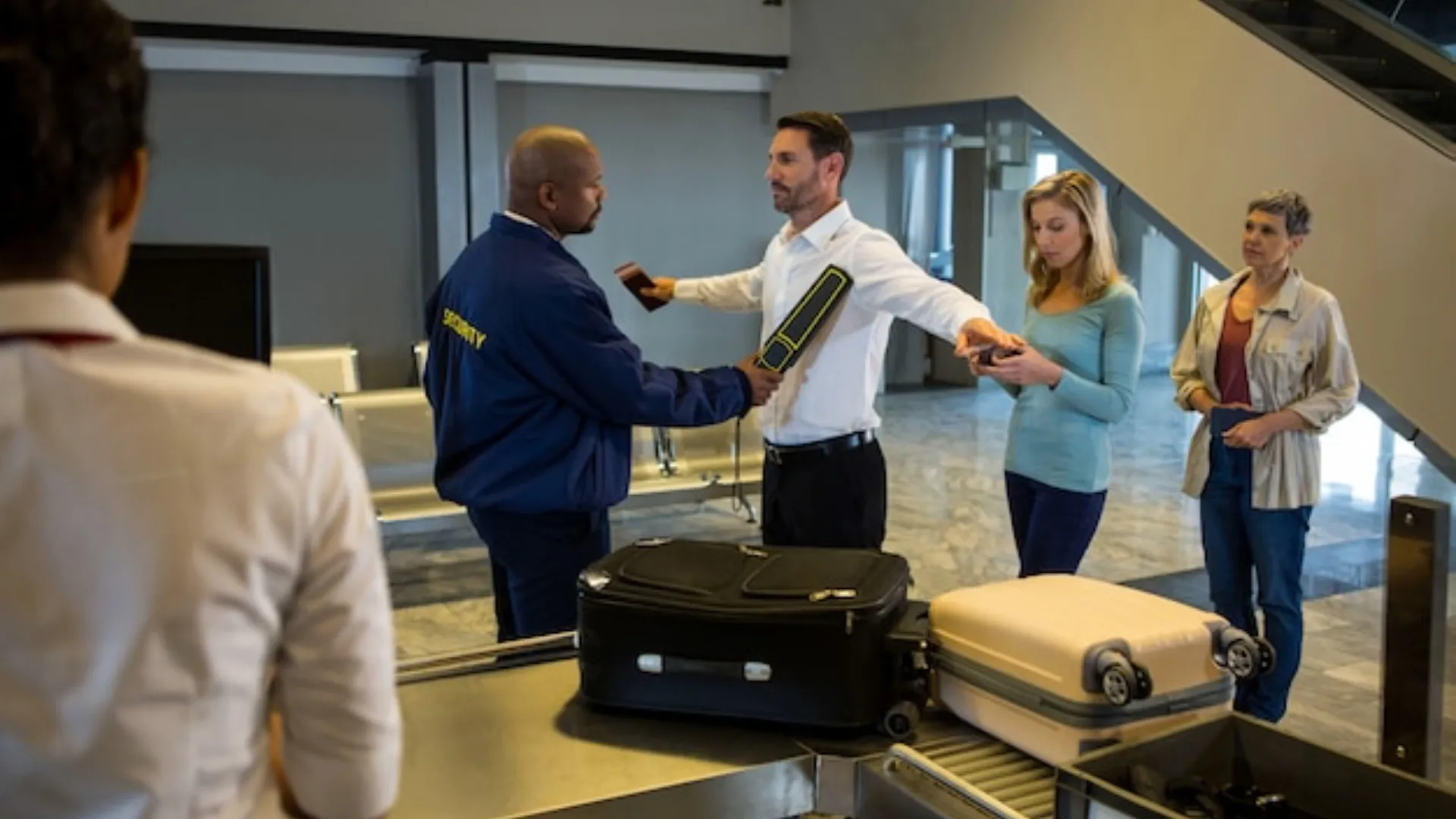
Learn how airport security works and what travelers should know before a flight, including carry-on restrictions, liquids, electronics, identification, screening procedures, and preparation tips.
What to Know About Airport Security Before Your Flight
Airport security is an essential part of air travel, but going through the screening process doesn’t have to be stressful. Knowing what to expect and preparing your belongings in advance can help you move through the airport more efficiently.
Rules can vary by airport and country, so travelers should always check the latest requirements for their departure airport. However, understanding some basic airport security procedures can make your journey smoother.
1. Check the Rules Before Leaving Home
Security requirements can differ depending on where you are flying from and where you are traveling.
Before your flight, check the official airport or aviation authority information for current rules concerning liquids, electronics, batteries, food, medications, and prohibited items.
Don’t rely entirely on rules you remember from a previous trip.
2. Pack Your Carry-On Carefully
Organize your carry-on so that important items are easy to access.
Avoid packing prohibited or restricted items without checking whether they are permitted. If you’re uncertain about an item, research the current rules before arriving at the airport.
A well-organized bag can also make security screening quicker.
3. Understand Liquid Restrictions
Many airports have restrictions on liquids, gels, aerosols, and similar items carried through security.
Requirements can vary by airport and may change as screening technology develops. Check the specific rules for your departure airport before packing toiletries and other liquids.
4. Prepare Your Electronics
Depending on the airport, you may be asked to remove certain electronic devices from your carry-on bag during screening.
Keep laptops, tablets, cameras, and other larger electronics accessible so you can remove them quickly if requested.
Follow the instructions given by security personnel at the checkpoint.
5. Keep Travel Documents Accessible
Keep your passport, identification, boarding pass, and other necessary travel documents somewhere secure but easy to reach.
You may need to show identification or travel information at different points during your airport journey.
Avoid placing important documents at the bottom of your luggage.
6. Dress for Convenience
Comfortable clothing can make the security process easier.
Depending on the airport, you may be asked to remove coats, belts, shoes, or other items during screening. Wear clothing and footwear that you can remove and put back on without difficulty.
7. Arrive With Enough Time
One of the biggest airport security mistakes is arriving too late.
Security lines can become longer during holidays, weekends, peak travel periods, and busy departure times. Give yourself enough time to check in, pass through security, reach your gate, and handle unexpected delays.
8. Follow Security Instructions
Security officers are responsible for maintaining a safe airport environment. Follow their instructions calmly and promptly.
If an officer asks you to open a bag, remove an item, or undergo additional screening, cooperate with the process.
Additional screening does not necessarily mean that you have done anything wrong.
9. Don’t Pack Prohibited Items
Before leaving for the airport, check your bags for items that may not be permitted through security.
This is particularly important for sharp objects, certain tools, dangerous materials, oversized liquids, and other restricted items.
Checking your luggage at home can prevent delays at the security checkpoint.
10. Keep Valuables Secure
Place valuables such as your phone, wallet, passport, and electronics where they remain easy to monitor.
Don’t leave personal belongings unattended while preparing for screening or collecting your luggage afterward.
Take a moment to check your surroundings before leaving the security area.
11. Be Prepared for Additional Screening
Security screening can sometimes take longer than expected. Travelers may be asked additional questions or directed to another screening area.
Remain patient and follow instructions. Building extra time into your airport schedule can make unexpected delays less stressful.
12. Check Rules for Your Return Journey
Don’t assume that the security rules at your destination will be identical to those at your departure airport.
If you have a connecting or return flight, check the applicable requirements in advance, particularly if you’re carrying liquids, food, electronics, or other items purchased during your trip.
Make Airport Security Easier
Understanding airport security procedures can help reduce stress before a flight. Check current rules, organize your carry-on, prepare electronics and documents, arrive early, and follow security instructions.
The most important thing to remember is that airport requirements can change and may differ between countries and airports. Always verify current regulations before traveling.
With a little preparation, you can move through security more confidently and focus on the exciting journey ahead.