

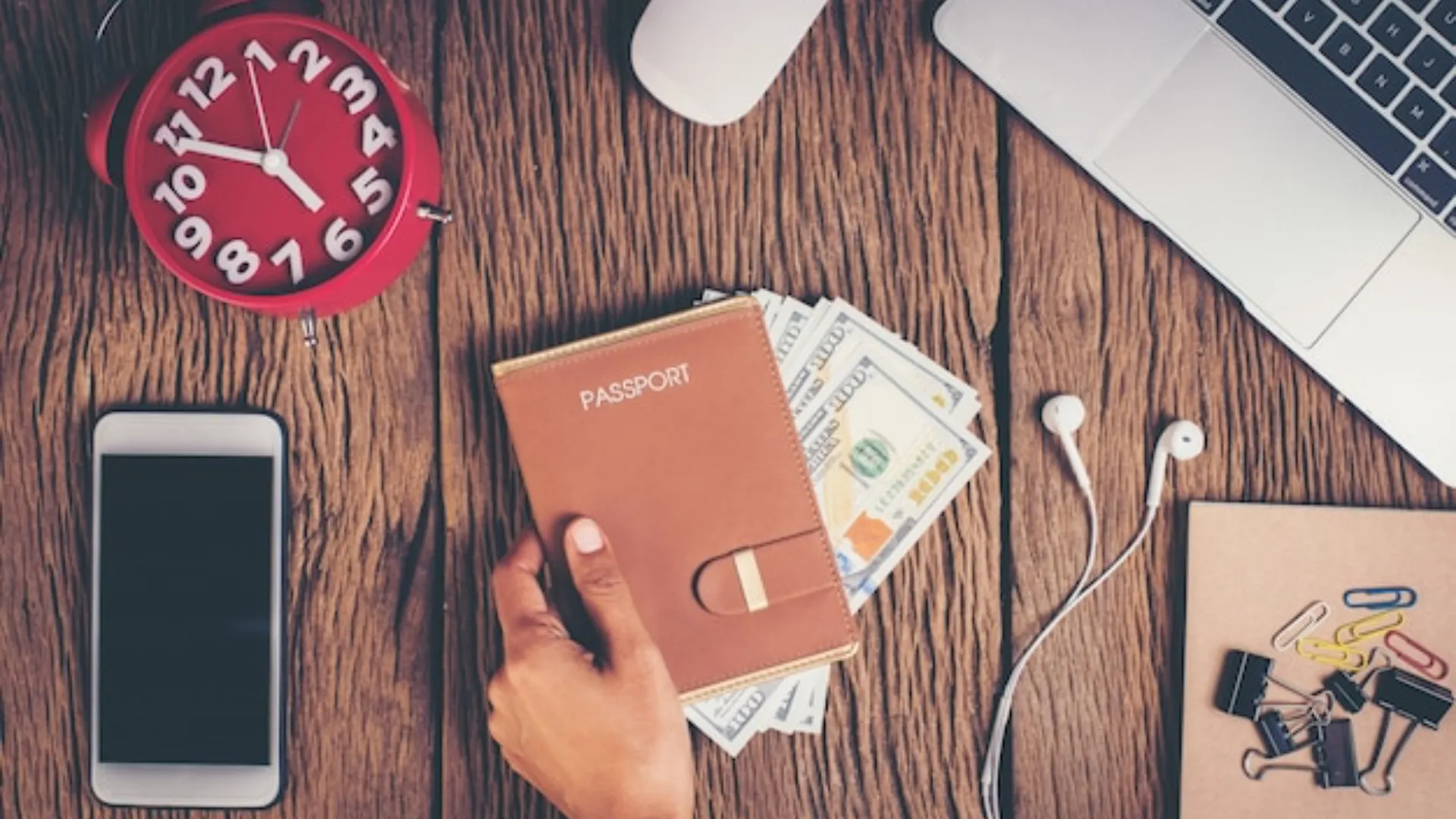
Learn how to access and manage money safely while traveling abroad, including using cards and ATMs, carrying cash, monitoring accounts, avoiding scams, and preparing backup payment options.
How to Access Your Money Safely While Traveling Abroad
Having reliable access to money is essential when traveling internationally. Whether you are paying for a hotel, buying food, using public transportation, or handling an unexpected expense, you need a safe way to access your funds.
Good travel money safety practices can help protect your finances while giving you peace of mind throughout your trip.
1. Notify Your Bank Before Traveling
Check your bank’s international travel policies before departure. Some financial institutions allow customers to notify them about upcoming overseas travel, while others monitor international transactions automatically.
Make sure you know how to contact your bank if your card is blocked or lost.
2. Carry More Than One Payment Option
Avoid relying on a single card or payment method.
Consider carrying a primary debit or credit card along with a backup card. Keep them in separate secure locations so that losing one does not leave you without access to money.
3. Carry Some Local Currency
Cards are widely accepted in many destinations, but cash can still be useful for small businesses, local markets, transportation, tips, and places that do not accept cards.
Carry a reasonable amount rather than keeping all your travel funds in cash.
4. Use ATMs Carefully
When withdrawing cash, use ATMs located inside reputable banks, airports, major shopping centers, or other secure locations when practical.
Avoid suspicious machines or ATMs that appear tampered with.
Before confirming a withdrawal, review the exchange rate, fees, and amount being charged.
5. Protect Your PIN
Never share your card PIN with anyone. When entering it at an ATM or payment terminal, shield the keypad from people nearby.
Avoid writing your PIN on your card or storing it somewhere easily accessible.
6. Monitor Your Bank Accounts
Check your account activity regularly while traveling. Banking apps can make it easier to identify unfamiliar transactions quickly.
Enable transaction notifications when available so you can receive alerts when your cards are used.
7. Understand Currency Conversion
When paying by card or withdrawing cash, you may be offered a choice between paying in the local currency or your home currency.
Understand the conversion being offered before accepting it. In many situations, allowing your card provider to handle the currency conversion may be preferable, but check your own bank’s terms and fees.
8. Avoid Carrying All Your Money Together
Do not keep every card and all your cash in one wallet or bag.
Divide your payment methods between secure locations. If one item is lost or stolen, you may still have access to another payment method.
9. Be Careful With Public Wi-Fi
Avoid accessing sensitive financial accounts through unsecured public networks whenever possible.
If you need to use online banking while traveling, use a trusted connection and ensure your phone and banking applications are updated.
10. Prepare for Lost or Stolen Cards
Before leaving home, save your bank’s official emergency contact information somewhere accessible offline.
Knowing how to freeze or replace a card quickly can make a major difference if your wallet disappears.
11. Keep an Emergency Reserve
Maintain a separate emergency fund for unexpected expenses.
This could be a backup card, secure cash reserve, or another legitimate source of funds. Keep it separate from your everyday spending money.
12. Be Alert to Payment Scams
Be cautious when someone asks you to make an unusual payment, use an unfamiliar ATM, share card details, or provide financial information.
If a payment situation feels suspicious, step away and verify the information independently.
Protect Your Money While Exploring
Good travel money safety starts before you leave home. Carry multiple payment options, keep some local cash available, use reputable ATMs, protect your PIN, monitor your accounts, and prepare a backup plan.
You don’t need to carry large amounts of cash or constantly worry about your finances. A few simple precautions can significantly reduce the risk of losing access to your money.
With careful planning and secure payment habits, you can focus on enjoying your international trip while keeping your finances better protected.